
What are the technical specifications of Leaf v3?
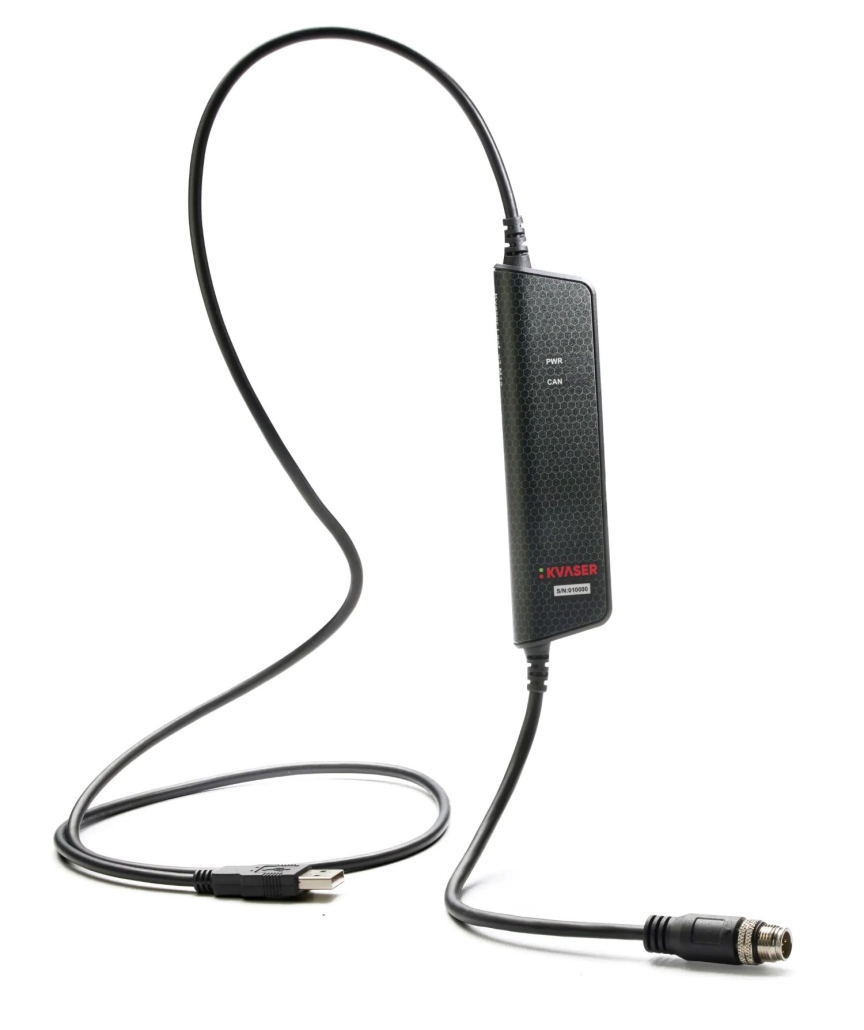
The Kvaser Leaf v3 is a high-performance CAN interface that provides reliable connectivity for Controller Area Network (CAN) systems. This advanced USB device offers superior technical specifications, including support for CAN FD with data rates up to 8 Mbps, galvanic isolation for enhanced safety, and compatibility with major operating systems. The Leaf v3 represents the latest evolution in Kvaser’s product line, delivering improved performance in a compact form factor ideal for automotive diagnostics, industrial automation, and development environments where robust CAN communication is essential.
What are the key technical specifications of the Kvaser Leaf v3?
The Kvaser Leaf v3 features comprehensive technical specifications designed for professional CAN bus applications. At its core, it supports both Classical CAN and CAN FD protocols with data rates up to 1 Mbps for Classical CAN and up to 8 Mbps for CAN FD.
The device connects via USB 2.0 interface, providing plug-and-play functionality with a standard Type A connector. For durability and signal integrity, the Leaf v3 includes galvanic isolation rated at 500V, protecting both the host computer and the CAN network from potential ground loops and electrical interference.
Physical specifications include a compact and robust design, measuring approximately 50 x 90 x 25 mm and weighing under 70 grams. The device features a standard 9-pin D-SUB connector for CAN network connection, making it compatible with industry-standard CAN cabling.
Power requirements are minimal, drawing power directly from the USB connection without requiring external power sources. Additionally, the Leaf v3 includes status indicator LEDs that provide visual confirmation of proper operation, CAN bus traffic, and error conditions, facilitating troubleshooting and operational monitoring.
Which CAN protocols does the Leaf v3 support?
The Leaf v3 supports a comprehensive range of CAN protocols, making it versatile for various applications. At its foundation, it fully supports both Classical CAN and the newer CAN FD (Flexible Data-rate) protocol, which is increasingly important in modern automotive and industrial applications.
For Classical CAN, the device handles the standard 11-bit and extended 29-bit identifiers with data rates up to 1 Mbps. The CAN FD support allows for significantly higher data transfer rates—up to 8 Mbps during the data phase—while maintaining compatibility with traditional CAN networks.
Additionally, the Leaf v3 supports single-wire CAN operations, which is particularly valuable for automotive diagnostics where single-wire CAN networks are common. This capability expands its utility in vehicle testing and diagnostic scenarios.
The device is also compatible with higher-layer protocols built on CAN, including CANopen and DeviceNet, making it suitable for industrial automation applications. Its protocol support extends to ISO 11898-2 compliance for high-speed CAN networks, ensuring it meets international standards for CAN communications.
For developers, the Leaf v3 provides comprehensive error detection and handling capabilities, including automatic retransmission of frames after errors—a critical feature for maintaining reliable communications in noisy environments.
How does the Leaf v3 compare to previous Leaf models?
The Leaf v3 represents a significant advancement over its predecessors, offering enhanced capabilities while maintaining the familiar form factor and reliability that made previous models popular. The most notable improvement is the addition of CAN FD support, which was absent in earlier Leaf versions.
Performance-wise, the Leaf v3 delivers higher data rates—up to 8 Mbps in CAN FD mode compared to the maximum 1 Mbps in previous models. This performance boost allows for more efficient data transfer in bandwidth-intensive applications.
The integration of galvanic isolation in the Leaf v3 is another substantial improvement over some earlier models, providing better protection for both the connected computer and the CAN network. This feature is particularly valuable in industrial environments where electrical noise and ground potential differences are common challenges.
From a software perspective, the Leaf v3 maintains backward compatibility with existing Kvaser software interfaces while adding new functionality through updated drivers and APIs. This ensures that users can migrate from older models without significant redevelopment effort.
The timestamp resolution and accuracy have also been improved in the Leaf v3, providing more precise timing information for CAN messages. This enhancement is crucial for applications requiring detailed analysis of CAN traffic timing, such as automotive ECU development and testing.
What operating systems is the Leaf v3 compatible with?
The Kvaser Leaf v3 offers broad operating system compatibility, supporting all major platforms required for professional development and diagnostic work. It provides comprehensive support for Windows operating systems, including Windows 10, Windows 8.1, and Windows 7, in both 32-bit and 64-bit versions.
For Linux users, the Leaf v3 is compatible with modern Linux distributions through Kvaser’s Linux drivers. This includes support for Ubuntu, Debian, Fedora, and other major distributions, making it accessible for embedded development and industrial applications that frequently utilize Linux environments.
macOS compatibility is also available, though with some limitations compared to the Windows support. The device works with recent macOS versions through specific driver installations.
The Leaf v3’s driver architecture follows a layered approach, with low-level drivers handling the USB communication and higher-level APIs providing standardized interfaces like J2534 pass-through for automotive applications. This structure makes the device usable with a wide range of third-party software tools that support these standard interfaces.
Software development kits (SDKs) are available for all supported operating systems, including code examples and documentation to facilitate integration into custom applications. These SDKs support multiple programming languages, including C/C++, C#, Python, and Java, providing flexibility for developers working in different environments.
What are the primary use cases for the Kvaser Leaf v3?
The Kvaser Leaf v3 excels in diverse application scenarios where reliable CAN bus communication is essential. In automotive diagnostics, it serves as a professional-grade interface for ECU programming, vehicle network analysis, and troubleshooting, with its CAN FD capabilities particularly valuable for modern vehicles with high-bandwidth requirements.
For industrial automation, the Leaf v3 provides a robust connection to CAN-based control systems, enabling monitoring and configuration of industrial equipment. Its galvanic isolation makes it particularly suitable for factory environments where electrical noise and ground potential differences can be challenging.
The device is extensively used in research and development environments, where engineers develop and test CAN-based systems. Its precision timing capabilities and support for high data rates make it ideal for protocol analysis and performance optimization during the development cycle.
In embedded systems development, the Leaf v3 serves as a bridge between development computers and CANopen systems, facilitating software debugging and system integration. We’ve observed numerous successful implementations across diverse sectors, as highlighted in our case study collection.
For educational purposes, the Leaf v3 provides a practical tool for teaching CAN bus principles and protocols, offering students hands-on experience with industry-standard hardware. Its compatibility with various operating systems makes it suitable for diverse educational environments.
What key takeaways should you know about the Leaf v3?
The Kvaser Leaf v3 represents a significant advancement in portable CAN interfaces, offering essential capabilities for modern automotive and industrial applications. Its support for both Classical CAN and CAN FD protocols positions it as a future-proof investment for organizations working with evolving CAN technologies.
The device’s galvanic isolation provides crucial protection in professional environments, reducing the risk of damage to expensive equipment and ensuring signal integrity. This feature, combined with its compact form factor and USB connectivity, makes it both practical and reliable for field use.
Broad software compatibility ensures the Leaf v3 integrates seamlessly into existing workflows and development environments. Whether working with proprietary software or custom applications, the comprehensive driver support and APIs facilitate straightforward implementation.
The performance improvements over previous Leaf models deliver tangible benefits for bandwidth-intensive applications, with faster data rates and enhanced timing precision. These capabilities are particularly valuable as automotive and industrial systems continue to demand higher data throughput.
For professionals working with CAN bus technology, the Leaf v3 strikes an optimal balance between functionality, reliability, and usability, making it a standard tool for CAN communications across multiple industries. Its technical specifications and capabilities align perfectly with the requirements of modern distributed control systems and diagnostic applications.