
What Are the Most Common WCS-10 User Mistakes?
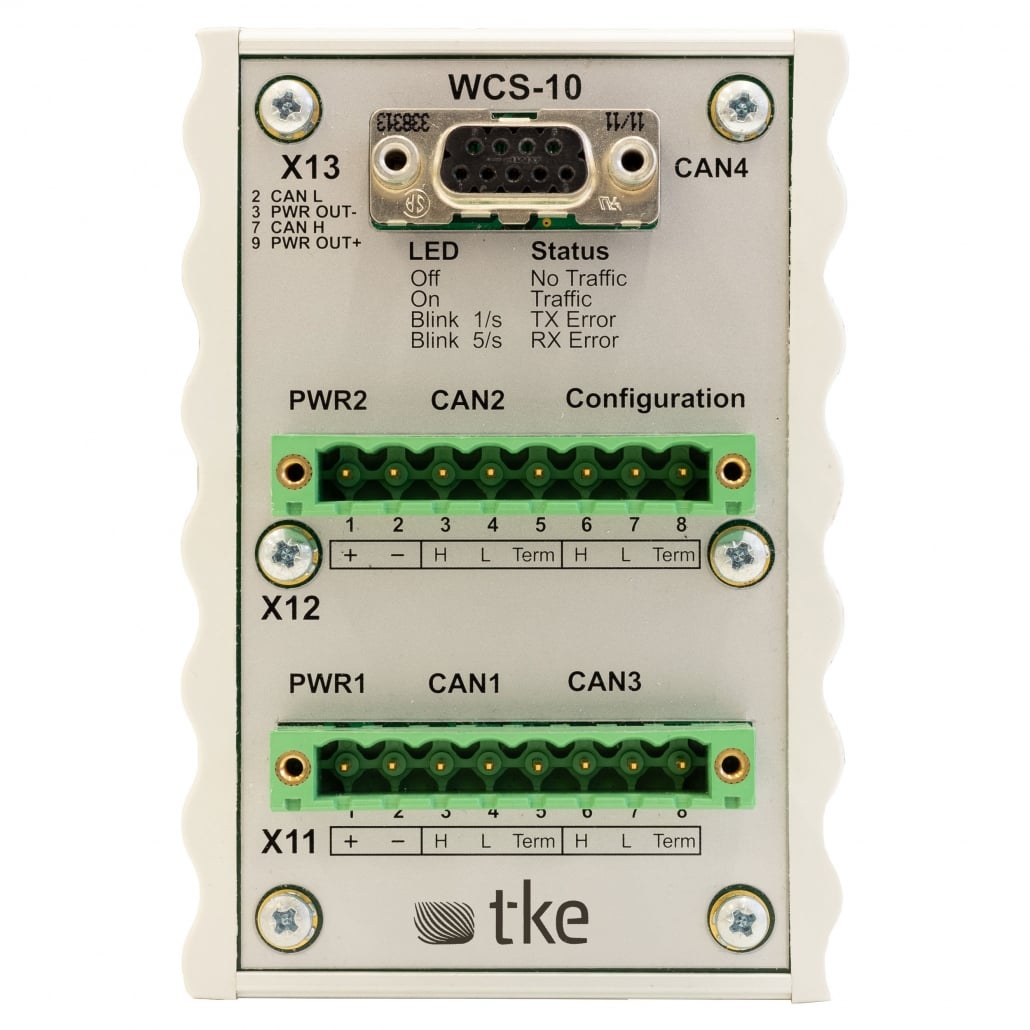
The most common WCS-10 user mistakes typically involve configuration errors, improper installation, communication failures, and power-related issues. Users frequently struggle with incorrect DIP switch settings, improper termination resistance configuration, and inadequate protection against harsh marine environments. Communication breakdowns often result from baud rate mismatches or electromagnetic interference, while power problems stem from voltage fluctuations and improper grounding. Understanding these common pitfalls is essential for maintaining optimal performance of this marine-certified CAN switch bridge in critical maritime applications.
Understanding the impact of WCS-10 user mistakes in marine environments
The WCS-10 marine-certified CAN switch bridge plays a crucial role in connecting and managing communication between various systems aboard vessels. As a specialized component designed for harsh marine conditions, its proper functioning directly impacts navigation systems, engine controls, and other critical shipboard operations.
When users make mistakes with WCS-10 configuration or installation, the consequences can range from minor communication hiccups to complete system failures. In marine applications, these errors can be particularly problematic as they may compromise vessel safety, lead to equipment damage, or cause operational downtime in challenging environments.
The marine-specific design of the WCS-10 includes features to withstand vibration, moisture, and temperature fluctuations common in maritime settings. However, these protective elements can only function as intended when the device is properly configured and installed. User errors often undermine these built-in safeguards, exposing the system to reliability issues that wouldn’t occur under correct operation.
Understanding these common mistakes is essential not just for preventing failures, but for optimizing the performance of your entire CAN-bus network in demanding marine applications.
What are the most frequent configuration errors with the WCS-10?
Configuration errors represent the most common source of problems with the WCS-10, often causing communication failures that can be difficult to diagnose. These mistakes typically occur during initial setup or when making changes to an existing system.
Incorrect DIP switch settings lead the list of configuration mistakes. The WCS-10 features DIP switches that control crucial parameters like termination resistance and operational modes. When these switches are set incorrectly, the device may appear to function initially but fail under certain conditions or create intermittent issues that are challenging to troubleshoot.
Improper termination resistance configuration is another frequent error. CAN networks require proper termination to function reliably, especially in marine environments where signal integrity is constantly challenged by electromagnetic interference. Users often forget to enable termination on the appropriate devices or mistakenly enable it on too many devices, creating signal reflection issues that corrupt data transmission.
Address assignment errors also plague many installations. Each device on a CAN network requires a unique address, and conflicts can cause unpredictable behavior. Users sometimes duplicate addresses across devices or assign addresses outside the acceptable range for their specific application.
These configuration mistakes can manifest as:
- Intermittent communication failures
- Complete network breakdowns under certain conditions
- Corrupted data transmission
- Unexpected device behavior or system crashes
- Progressive degradation of network performance
How does improper installation affect WCS-10 performance?
Improper installation of the WCS-10 can significantly undermine its performance and reliability, even when the configuration settings are correct. Installation issues create vulnerabilities that may not be immediately apparent but can lead to premature failures.
Incorrect mounting position is a common installation mistake. The WCS-10 should be installed in a location that provides adequate protection from direct water exposure while ensuring sufficient ventilation. Many users mount the device in areas with excessive heat, moisture, or vibration, which accelerates component wear and increases failure rates.
Inadequate protection against environmental factors represents another critical installation error. Marine environments present unique challenges including salt spray, humidity, and temperature fluctuations. When the WCS-10 isn’t properly sealed or housed in appropriate enclosures, environmental contaminants can infiltrate the device and cause corrosion of sensitive electronic components.
Improper cable routing frequently contributes to performance issues. CAN-bus cables should be kept away from high-power lines and potential sources of electromagnetic interference. Users often route these cables alongside power cables or radio equipment, creating signal degradation that manifests as intermittent communication problems.
Connection problems round out the common installation mistakes. Loose connections, improperly crimped connectors, or damaged cable shielding can all introduce points of failure into the system. These issues may not cause immediate problems but can develop into intermittent failures that are exceptionally difficult to diagnose, especially as vessels vibrate and move through varying conditions at sea.
Why do communication failures occur with the WCS-10?
Communication failures with the WCS-10 typically stem from network configuration issues, environmental factors, and compatibility problems between connected devices. These failures can manifest as complete communication loss or intermittent data corruption.
Baud rate mismatches represent one of the most frequent causes of communication breakdowns. The WCS-10 must operate at the same baud rate as all other devices on the CAN network. When rates don’t match, devices cannot properly interpret the data being transmitted, resulting in errors or complete communication failure. Users often overlook this setting when adding new components to an existing network.
Network topology issues also contribute significantly to communication problems. The CAN-bus has specific requirements for network structure, including maximum cable lengths, proper branching techniques, and termination placement. When these design principles are violated, signal integrity suffers, causing data errors that may only appear under certain operating conditions.
Electromagnetic interference (EMI) poses a particular challenge in marine environments where radar systems, radio equipment, and power generation create significant electromagnetic noise. Improper shielding, grounding issues, or routing CAN cables near EMI sources can introduce data corruption that’s difficult to diagnose as it may occur sporadically.
Incompatible device configurations across the CAN network frequently cause communication failures. This includes mismatched protocol implementations, incompatible message formats, or timing issues between devices from different manufacturers. The WCS-10 must be configured to properly bridge these potential differences, and mistakes in this area can result in dropped messages or incomplete data transmission.
How can you troubleshoot WCS-10 power-related issues?
Power-related issues with the WCS-10 require systematic troubleshooting to identify and resolve the root causes. These problems often manifest as device resets, intermittent operation, or complete failure to power up.
Begin by checking the power supply voltage at the WCS-10 connection points using a multimeter. The device requires a stable power source within its specified voltage range. Readings outside this range indicate a power supply problem that needs addressing before other troubleshooting steps.
Voltage fluctuations represent a common power issue in marine applications. Ships and boats frequently experience power variations as equipment cycles on and off or when transitioning between shore power and onboard generation. Installing appropriate voltage stabilization components or power conditioning equipment can protect the WCS-10 from these potentially damaging fluctuations.
Inadequate power capacity is another frequent issue, particularly in larger installations. The WCS-10 and other CAN devices collectively draw significant power, and undersized power supplies may provide adequate voltage under light loads but fail when all systems are operating. Calculate the total power requirements of your CAN network and ensure your power supply provides sufficient capacity with an appropriate margin.
Improper grounding frequently causes erratic operation and communication errors. In marine installations, ground potential differences between different parts of the vessel can create return current paths through signal wires rather than dedicated ground connections. Verify that:
- All CAN devices share a common ground reference
- Ground connections are clean, tight, and free from corrosion
- The grounding system follows marine best practices for minimizing potential differences
- Shielded cables are properly grounded at appropriate points to prevent ground loops
If issues persist after checking these common areas, inspect for physical damage to power connections and wiring. Marine environments are particularly harsh on electrical connections, and corrosion or moisture ingress at power terminals can create resistance that affects device operation.
Key takeaways for optimal WCS-10 performance and support
Achieving reliable WCS-10 performance in marine environments requires attention to detail during configuration, installation, and ongoing maintenance. By addressing the common mistakes outlined in this article, you can significantly improve system reliability and longevity.
Documentation is your strongest ally in preventing and resolving WCS-10 issues. Maintain detailed records of your network configuration, including DIP switch settings, termination points, and address assignments. This information proves invaluable when troubleshooting problems or making future modifications to your system.
Implement a preventive maintenance schedule that includes regular inspection of the WCS-10 installation. Check for signs of corrosion, loose connections, or environmental damage before they cause system failures. In marine applications, this inspection should be more frequent than in less demanding environments.
When planning new installations or modifications, follow these best practices:
- Verify compatibility between all network devices before installation
- Use proper marine-grade cables and connectors throughout the system
- Install the WCS-10 in protected locations with adequate ventilation
- Implement appropriate power conditioning for stable operation
- Document all configuration settings and network parameters
For situations where you encounter persistent issues or need assistance with complex installations, our support team specializes in CAN-bus technology implementations. We provide troubleshooting guidance, configuration assistance, and technical advice to ensure your WCS-10 operates reliably in demanding marine applications.
By understanding and avoiding these common mistakes, you can maximize the performance and reliability of your WCS-10 marine-certified CAN switch bridge, ensuring your vessel’s critical systems communicate effectively even in challenging conditions.
Interested in real-world automation solutions?
Browse our case studies to discover how we support safe and efficient operations through smart control and networking systems