
How does Leaf v3 perform in automotive test benches?
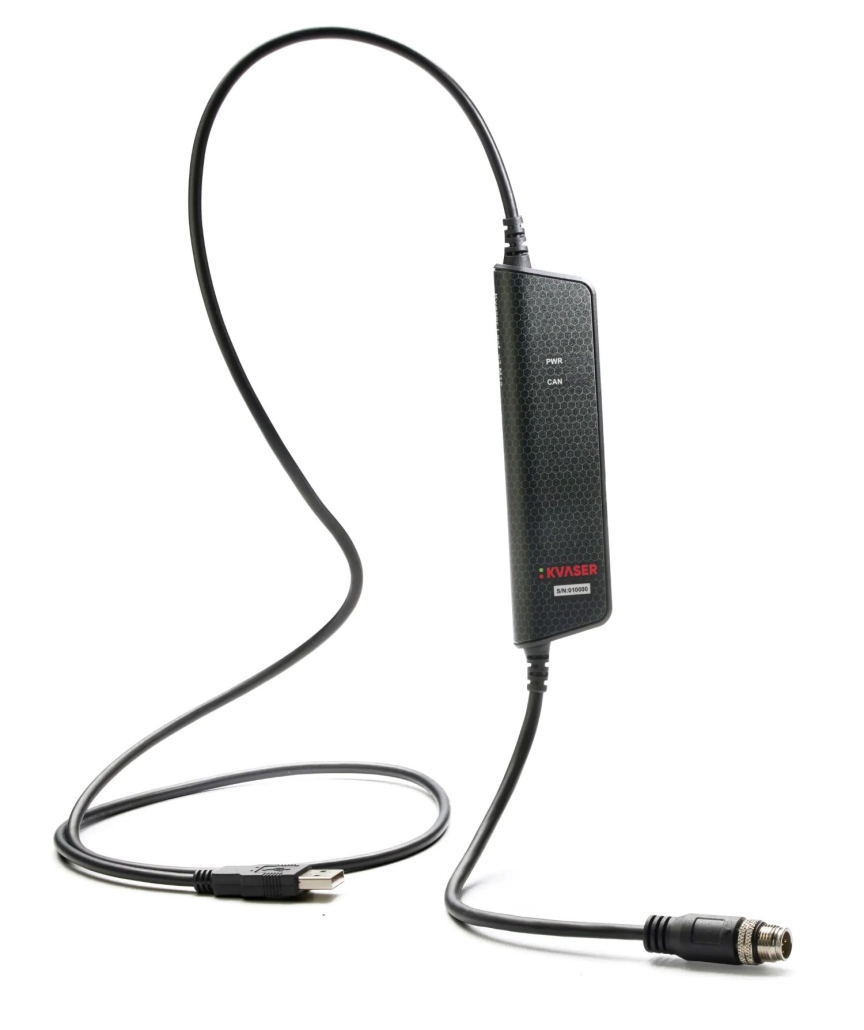
The Kvaser Leaf v3 is a high-performance CAN interface that delivers exceptional reliability and functionality in automotive test bench environments. This USB-connected device offers comprehensive support for CAN FD protocols with transmission rates up to 8 Mbps, making it ideal for modern vehicle development and testing. With its robust galvanic isolation, enhanced error handling capabilities, and compatibility with both Windows and Linux operating systems, the Leaf v3 provides automotive engineers with the precise data acquisition tools needed for effective ECU diagnostics, simulation, and validation procedures.
Understanding Leaf v3 in automotive testing environments
The Kvaser Leaf v3 serves as a critical communication bridge between automotive systems and test computers in professional testing environments. This compact CAN interface translates complex vehicle network data into accessible information that engineers can analyze and manipulate during development and validation processes.
CAN interfaces have become indispensable tools in modern automotive testing as vehicles increasingly rely on sophisticated electronic control units (ECUs) and digital communication networks. These interfaces allow engineers to access, monitor, and diagnose the intricate web of electronic systems that control everything from engine performance to safety features.
In automotive test benches, the Leaf v3 enables real-time monitoring of CAN bus traffic, facilitating comprehensive testing of components under various simulated conditions. This capability is particularly valuable during prototype development, ECU calibration, and quality assurance testing, where precise data acquisition and analysis are essential for identifying potential issues before production.
What technical features make Leaf v3 ideal for automotive test benches?
The Kvaser Leaf v3 excels in automotive test applications due to its advanced technical specifications that address the complex demands of modern vehicle development. At its core, the device supports both Classical CAN and CAN FD protocols, enabling data transmission rates of up to 8 Mbps—essential for handling the increased data requirements of contemporary automotive systems.
The Leaf v3 features robust galvanic isolation, protecting test equipment from potentially damaging voltage differences and ensuring reliable operation in electrically noisy environments typical of automotive testing. This isolation capability is critical when working with prototype vehicles or when testing components that might experience electrical fluctuations.
Additional technical advantages include:
- Low-latency data transfer for real-time monitoring applications
- Support for single-wire CAN interfaces used in some automotive systems
- USB 2.0 high-speed connectivity for straightforward integration with test computers
- Compact, durable design suitable for both laboratory and field testing
- Efficient power management with USB power capability
For comprehensive technical specifications, the Leaf v3 product page provides detailed information about connector types, environmental specifications, and software compatibility that engineers need when selecting the appropriate interface for their test bench applications.
How does Leaf v3 compare to previous Kvaser models?
The Leaf v3 represents a significant advancement over its predecessors, offering notable improvements in both performance and reliability for automotive testing applications. Compared to earlier Kvaser models, the Leaf v3 delivers substantially enhanced data throughput capabilities, particularly with its full support for CAN FD protocol that allows transmission rates up to 8 Mbps—a critical upgrade for testing modern vehicle networks that generate increasingly large data volumes.
Hardware improvements include more robust galvanic isolation, protecting sensitive test equipment from electrical interference common in automotive environments. The Leaf v3 also features enhanced error handling and detection capabilities, providing testers with more precise diagnostic information when communication issues occur.
From a usability perspective, the Leaf v3 offers improved driver stability and compatibility with modern operating systems, reducing setup time and configuration challenges that were occasionally encountered with previous generations. This reliability is particularly valuable in production test environments where consistent performance is essential.
The Leaf v3’s physical design has also evolved, offering a more compact form factor while maintaining industrial-grade durability—making it suitable for both laboratory test benches and in-vehicle testing scenarios where space constraints may be significant.
Which operating systems are compatible with the Leaf v3 interface?
The Kvaser Leaf v3 offers broad compatibility with mainstream operating systems, supporting both Windows and Linux environments. For Windows users, the interface is compatible with Windows 10, Windows 8, and Windows 7, providing comprehensive driver support across both 32-bit and 64-bit architectures.
Linux compatibility extends to popular distributions including Ubuntu, Debian, and CentOS, making the Leaf v3 a versatile option for engineering teams working in diverse computing environments. This cross-platform support is particularly valuable for automotive development teams that may utilize different operating systems throughout the development process.
Driver installation is straightforward with bundled software packages that include:
- Kvaser CANlib SDK – providing programming libraries for custom application development
- Kvaser Driver Setup – simplifying driver installation and configuration
- Diagnostic tools for verifying proper interface operation
The Leaf v3’s compatibility extends beyond basic drivers to include integration with popular automotive testing platforms and development environments. This allows seamless incorporation into existing test bench setups without requiring significant reconfiguration or specialized adaptations.
How can Leaf v3 be implemented in automotive diagnostic systems?
The Kvaser Leaf v3 can be effectively implemented in automotive diagnostic systems through a structured approach that begins with physical connection to the vehicle’s OBD-II port or direct CAN connection points. This interface excels in diagnostic applications by enabling engineers to access real-time vehicle data streams, interact with ECUs, and perform comprehensive fault analysis.
Implementation typically follows these steps:
- Physical connection setup – connecting the Leaf v3 to the vehicle’s diagnostic port using appropriate adapters
- Driver installation and configuration – ensuring proper communication parameters match the vehicle’s specifications
- Integration with diagnostic software – connecting the Leaf v3 to industry-standard or proprietary diagnostic applications
- Protocol configuration – setting appropriate CAN bitrates and parameters for the specific vehicle platform
- Validation – confirming proper communication with vehicle systems
Once integrated, the Leaf v3 enables various diagnostic procedures including ECU reprogramming, parameter adjustments, and comprehensive fault code analysis. Its high-speed data capabilities are particularly valuable when diagnosing intermittent issues that require capturing extended data logs.
For practical implementation examples in real-world testing scenarios, our case study section provides detailed insights into how automotive engineers have successfully deployed Leaf v3 interfaces in production environments.
Key takeaways about Leaf v3 performance in automotive applications
The Kvaser Leaf v3 delivers exceptional performance characteristics that make it a standout choice for automotive test bench applications. Its combination of high-speed data transmission, robust reliability, and comprehensive protocol support addresses the core requirements of modern automotive testing environments.
Primary advantages for automotive testing professionals include:
- Superior data throughput with CAN FD support up to 8 Mbps
- Excellent electrical isolation protecting sensitive test equipment
- Versatile operating system compatibility supporting diverse development environments
- Straightforward integration with industry-standard diagnostic and testing platforms
- Compact, durable design suitable for both laboratory and field testing scenarios
For implementation, automotive engineers should ensure proper driver configuration and CAN parameter settings to match specific vehicle systems. Regular firmware updates are recommended to maintain compatibility with evolving automotive protocols and diagnostic requirements.
The Leaf v3 represents a balanced solution that meets both current testing needs and offers the flexibility to adapt to future automotive network developments, making it a valuable investment for test facilities focused on long-term testing capabilities.