
What makes Leaf v3 ideal for diagnostics?
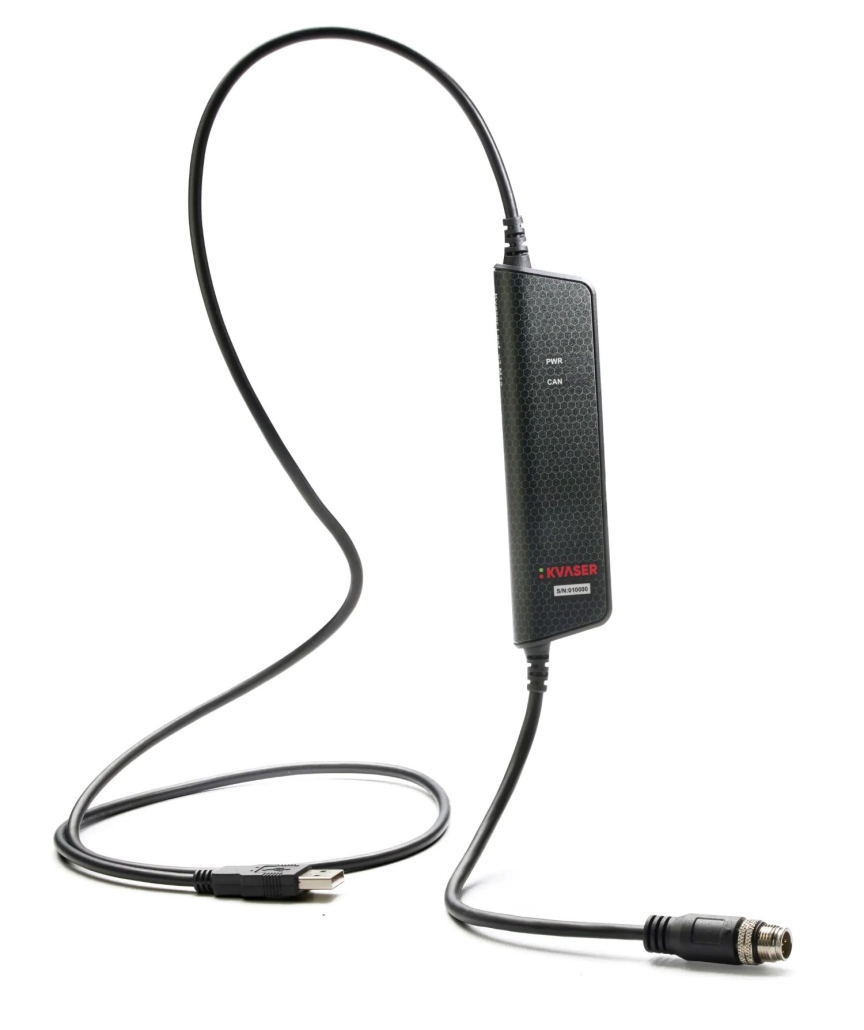
The Kvaser Leaf v3 stands as an exceptional CAN interface device for diagnostic applications due to its combination of advanced technical features and versatile functionality. With support for CAN FD protocol, galvanic isolation, and cross-platform compatibility, the Leaf v3 delivers superior performance for automotive diagnostics and industrial applications. Its compact design coupled with robust data handling capabilities makes it the ideal tool for professionals requiring reliable, high-speed CAN communications in diagnostic environments.
What is the Kvaser Leaf v3 CAN interface?
The Kvaser Leaf v3 is a professional USB-to-CAN interface device designed for connecting computers to Controller Area Network (CAN) systems for diagnostic, development, and monitoring purposes. This compact yet powerful tool represents the third generation of Kvaser’s popular Leaf product line, which has evolved to meet the increasing demands of modern CAN communications.
Originally developed to provide a reliable connection between PCs and CAN networks, the Leaf series has become an industry standard for diagnostic applications. The Leaf v3 builds upon this foundation with enhanced support for both classic CAN and the newer, faster CAN FD (Flexible Data-rate) protocol.
As a USB device, the Leaf v3 offers plug-and-play functionality while delivering professional-grade performance. Its primary purpose remains focused on providing engineers, technicians, and developers with a reliable tool for CAN bus diagnostics, ECU programming, and system monitoring across automotive, industrial, and embedded systems sectors.
What technical features make Leaf v3 superior for diagnostic applications?
The Leaf v3’s technical prowess makes it exceptionally well-suited for diagnostic applications, primarily through its support for the CAN FD protocol, which enables data transfer rates up to 8 Mbps—significantly faster than traditional CAN. This speed advantage is crucial when diagnosing modern vehicles and complex industrial systems where large amounts of data must be accessed quickly.
Galvanic isolation represents another critical feature, protecting both the connected computer and the CAN network by preventing ground loops and electrical interference. This isolation is particularly valuable in automotive diagnostics where varying electrical potentials could otherwise damage equipment.
Additional technical specifications that enhance the Leaf v3’s diagnostic capabilities include:
- USB 2.0 connectivity with high-speed data transfer
- Support for single-wire CAN protocols
- Silent mode for passive bus monitoring
- Robust error handling and detection
- Temperature range tolerance suitable for various environments
- Low latency performance for real-time applications
The hardware design prioritises reliability with high-quality components that withstand the demands of daily professional use. Its compact form factor also makes it suitable for field diagnostics where portability matters alongside performance.
How does Leaf v3 ensure compatibility across different systems?
The Leaf v3 achieves exceptional cross-platform compatibility through comprehensive driver support for both Windows and Linux operating systems, making it versatile across various computing environments. This multi-platform approach ensures diagnostic professionals can use their preferred system without compatibility concerns.
Beyond basic driver support, Kvaser provides a robust API (Application Programming Interface) that enables seamless integration with numerous diagnostic software packages and development environments. This API accessibility allows for custom application development and integration with existing diagnostic tools.
The device’s compatibility extends to various CAN-based protocols and standards, including:
- J1939 for heavy vehicles and machinery
- CANopen for industrial automation
- DeviceNet for factory floor communications
- NMEA 2000 for marine applications
This broad protocol support makes the Leaf v3 suitable for diagnostics across diverse industries and applications. The device’s firmware is also field-upgradable, ensuring it remains compatible with emerging standards and protocols as the CAN ecosystem evolves.
What are the key differences between Leaf v3 and previous models?
The Leaf v3 represents a significant advancement over previous models, with CAN FD support being the most substantial improvement. While earlier Leaf versions were limited to traditional CAN speeds of up to 1 Mbps, the Leaf v3’s CAN FD capability enables data rates of up to 8 Mbps during the data phase, dramatically improving performance when working with modern systems.
Enhanced galvanic isolation is another notable upgrade, providing better protection for both the connected computer and the vehicle or industrial system being diagnosed. This improvement is particularly valuable in environments with electrical noise or varying ground potentials.
Additional enhancements over previous Leaf models include:
- Improved message buffering for handling busier CAN networks
- More robust housing for increased durability
- Enhanced error detection and reporting capabilities
- Lower latency for more responsive diagnostics
- Expanded temperature operating range
The Leaf v3 maintains backward compatibility with systems designed for earlier models while offering these advanced features, allowing diagnostic professionals to upgrade their tools without disrupting existing workflows.
How can Leaf v3 be used in professional diagnostic environments?
In professional diagnostic settings, the Leaf v3 excels across multiple applications, with automotive diagnostics being perhaps the most common. Technicians use it to connect laptops to vehicle ECUs for fault code reading, parameter adjustments, and software updates—tasks that benefit significantly from the Leaf v3’s CAN FD support when working with newer vehicles.
Industrial data logging represents another key application, where the Leaf v3 captures CAN traffic over extended periods to identify intermittent issues or analyse system behaviour. The device’s reliable performance and robust error handling make it ideal for these long-duration monitoring tasks.
The versatility of the Leaf v3 extends to numerous other professional applications:
- ECU programming and firmware updates
- CANopen systems integration and troubleshooting
- Development and testing of CAN-based systems
- Vehicle network analysis and reverse engineering
- Educational and training environments
For professionals working across multiple industries or with diverse systems, the Leaf v3’s adaptability is particularly valuable. We encourage you to explore a relevant case study to see how others are implementing this technology in real-world scenarios.
What makes Leaf v3 the ideal choice for diagnostic professionals?
The Leaf v3 stands as the ideal choice for diagnostic professionals due to its exceptional combination of reliability, performance, versatility, and value. Its robust construction ensures consistent operation even in demanding environments, while its advanced technical capabilities address the requirements of modern diagnostic applications.
For professionals working with both legacy systems and cutting-edge technology, the Leaf v3’s backward compatibility with classic CAN alongside support for the latest CAN FD protocol provides future-proof functionality. This versatility translates to a strong return on investment, as the device remains relevant despite evolving industry standards.
Key factors that make the Leaf v3 ideal for diagnostic professionals include:
- Time efficiency through high-speed data transfer
- Cross-platform support that eliminates operating system constraints
- Comprehensive software and API support
- Portable form factor suitable for field work
- Reliability that minimises diagnostic downtime
Whether for automotive technicians, industrial maintenance engineers, or embedded systems developers, the Leaf v3 provides the perfect balance of accessibility and professional-grade capabilities. Its focused design addresses the specific needs of diagnostic workflows while offering the flexibility to adapt to diverse applications across the automotive and industrial sectors.