
Is Influx suitable for fleet and vehicle testing?
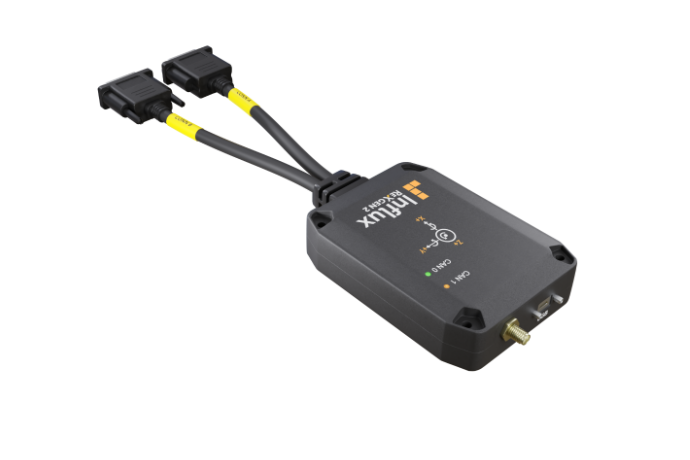
Influx data logging systems are exceptionally well-suited for fleet and vehicle testing applications, offering comprehensive solutions for monitoring vehicle performance across multiple units simultaneously. The Influx suite of products, particularly the ReXgen logger, provides robust capabilities for capturing, analyzing, and managing CAN diagnostic data from entire fleets. With advanced features including high-speed data acquisition, trigger-based logging, and seamless integration with industry-standard hardware like Kvaser, Influx delivers the reliability and scalability required for professional vehicle testing environments.
What makes Influx data loggers suitable for professional vehicle testing?
Influx data loggers excel in professional vehicle testing environments because they combine comprehensive CAN diagnostics with high-speed data capture capabilities. These systems are specifically engineered to monitor multiple vehicle parameters simultaneously, providing real-time insights into performance, efficiency, and operational characteristics.
The core strength of Influx systems lies in their ability to capture and process data from various vehicle subsystems through a single integrated platform. This includes engine performance metrics, transmission data, battery systems in electric vehicles, and auxiliary components. By collecting this information through CAN bus connections, Influx loggers create a comprehensive picture of vehicle operation under diverse testing conditions.
Additionally, Influx loggers support multi-channel configurations, allowing test engineers to monitor numerous signals simultaneously. This parallel processing capability is essential when evaluating complex vehicle systems where interactions between components must be analyzed together rather than in isolation.
How does the Influx ReXgen logger handle large fleet testing requirements?
The Influx ReXgen logger addresses large fleet testing requirements through its scalable architecture and flexible memory options. Available in configurations supporting up to 16GB of onboard storage, ReXgen can handle extended logging sessions across multiple vehicles without data overflow concerns.
ReXgen’s data management system is particularly valuable for fleet applications, offering automatic file segmentation to create manageable data sets that maintain chronological integrity. This prevents the common problem of unwieldy single files that become difficult to transfer and analyze. For fleet managers monitoring dozens or hundreds of vehicles, this structured approach to data organization significantly streamlines post-collection analysis.
The system also features configurable sampling rates that can be adjusted based on the specific parameters being monitored. This allows for optimization of storage use while ensuring critical signals are captured at appropriate resolutions. When paired with its robust triggering capabilities, ReXgen effectively balances comprehensive data collection with efficient resource utilization across fleet-wide deployments.
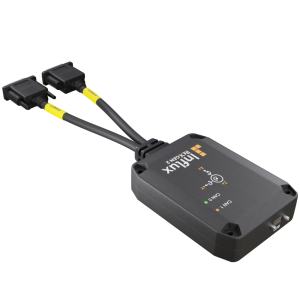
ReXgen 2
What are the advantages of trigger-based logging in vehicle testing?
Trigger-based logging offers significant advantages in vehicle testing by optimizing data capture around specific events or threshold conditions. This intelligent approach to logging ensures critical phenomena are recorded with high temporal resolution while minimizing storage requirements for routine operation.
The Influx logging platform allows engineers to define multiple trigger conditions based on signal values, patterns, or external inputs. For instance, a logger can be configured to increase sampling rates when engine temperature exceeds certain thresholds or when acceleration surpasses defined g-force values. This capability is invaluable when investigating intermittent issues or capturing rare events that might otherwise be missed by continuous logging at lower resolutions.
Another key benefit is the ability to capture pre-trigger data. By continuously buffering information, Influx loggers can record what happened before a trigger event, providing crucial context for understanding the conditions that led to specific vehicle behaviors. This feature is particularly useful when diagnosing complex issues where the cause and effect may be separated in time.
How does Influx integrate with Kvaser hardware and other testing equipment?
Influx integrates seamlessly with Kvaser hardware and other testing equipment through standardized interfaces and comprehensive protocol support. This interoperability ensures that Influx logging solutions can be incorporated into existing test environments without significant reconfiguration or compatibility concerns.
The integration capabilities extend beyond basic connectivity to include support for industry-standard DBC file formats, allowing for straightforward signal definitions and scaling. This means engineers can quickly deploy Influx loggers within established test frameworks, maintaining consistency in how data is collected, interpreted, and analyzed across different testing platforms.
Beyond CAN interfaces, Influx systems also support complementary data streams from GPS receivers and inertial measurement units (IMUs). This multi-source approach to data collection enables spatial correlation of vehicle performance metrics, adding valuable contextual information to testing scenarios. For instance, engineers can precisely map where specific vehicle behaviors occur during route testing, correlating CAN data with exact locations and road conditions.
What security features protect sensitive vehicle testing data in Influx systems?
Influx systems protect sensitive vehicle testing data through multi-layered security measures designed to safeguard intellectual property and confidential information throughout the data lifecycle. From collection to storage and analysis, these protections ensure testing data remains secure.
At the hardware level, Influx loggers implement access controls that prevent unauthorized configuration changes or data retrieval. This is complemented by encryption options for stored data, protecting valuable testing information even if physical access to the logger is compromised. For organizations working with prototype vehicles or proprietary technologies, these protections are essential for maintaining competitive advantages.
The system’s data management framework also includes audit capabilities that track who accesses information and what changes are made to configurations. This accountability feature is particularly important in collaborative testing environments where multiple engineers may work with the same data sets. When combined with configurable user permission levels, Influx creates a secure yet flexible environment for managing sensitive vehicle testing information.
How do real-world applications demonstrate Influx’s effectiveness in fleet testing?
Real-world applications consistently demonstrate Influx’s effectiveness in fleet testing through successful deployments across diverse testing environments. The system’s reliability and versatility make it suitable for a wide range of vehicle testing applications, from durability assessment to performance optimization and compliance verification.
In long-duration fleet testing scenarios, Influx loggers have proven particularly valuable for identifying patterns that emerge only after extended operation. The system’s capacity for continuous logging, coupled with intelligent triggering and data management, allows test engineers to capture subtle trends that might indicate potential issues before they manifest as failures. This predictive capability is essential for fleets where operational continuity is critical.
The adaptability of Influx systems to different vehicle types also contributes to their effectiveness in mixed-fleet testing scenarios. Whether monitoring conventional internal combustion engines, hybrid powertrains, or fully electric vehicles, the same logging platform can be configured to capture relevant parameters for each propulsion system. For organizations transitioning between technologies, this flexibility streamlines testing processes and ensures consistent methodology across diverse vehicle types.
For more detailed examples of implementation success, we encourage you to explore our Case study collection, which offers insights into how various organizations have leveraged Influx technology to enhance their testing capabilities.