
How secure is Influx data handling and transmission?
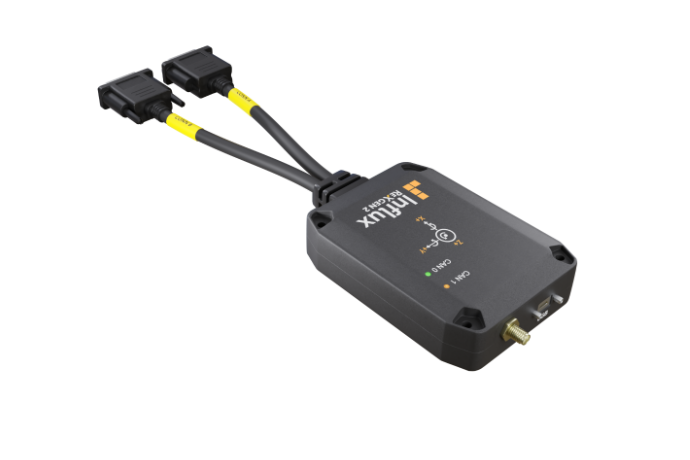
Influx data handling and transmission incorporate multi-layered security protocols designed specifically for industrial and vehicle testing environments. The system employs end-to-end encryption, secure authentication mechanisms, and comprehensive access controls to protect sensitive diagnostic information throughout the data lifecycle. Influx ReXgen loggers feature configurable security settings that comply with industry standards for data protection, making them suitable for applications where maintaining data integrity and confidentiality is crucial. The architecture balances robust security measures with the performance requirements necessary for real-time CAN-bus diagnostics and monitoring.
Understanding Influx data security fundamentals
Influx data security is built upon a comprehensive framework that integrates hardware-level protection with sophisticated software security measures. At its core, the security architecture implements a defense-in-depth approach, providing multiple layers of protection for sensitive vehicle and system diagnostic data.
The fundamental security principles governing Influx systems start with secure data acquisition. The ReXgen loggers incorporate secure boot mechanisms that verify firmware integrity before operation, preventing tampering with the logging environment. This creates a trusted foundation for all subsequent data handling operations.
In CAN-bus diagnostics environments, secure data transmission becomes particularly critical due to the sensitive nature of the information being collected. Modern vehicles and industrial systems contain proprietary algorithms, calibration data, and operational parameters that represent significant intellectual property. Influx systems are designed to protect this information throughout the entire data journey.
The security architecture also accounts for the unique requirements of vehicle testing applications, where data integrity is as important as confidentiality. Authentication systems verify the source of commands and data, while integrity checks ensure that information hasn’t been altered during transmission or storage.
How does Influx protect data during collection and storage?
Influx protects data during collection and storage through a combination of hardware-based security features and configurable encryption options. ReXgen loggers employ secure elements—dedicated chips designed specifically for cryptographic operations—to manage encryption keys and perform security-critical functions in an isolated environment resistant to tampering.
During data collection, the logger applies real-time validation protocols to ensure data integrity while monitoring CAN-bus traffic. This prevents corruption or manipulation of the diagnostic information at the source. For particularly sensitive applications, the loggers support configurable filtering that can mask or encrypt specific data packets based on predefined security policies.
Local storage security is managed through several mechanisms:
- AES-256 encryption for data at rest
- Secure partitioning that isolates critical system functions from logged data
- Configurable access control lists that determine which users or systems can retrieve stored information
- Tamper-evident logging that records any unauthorized access attempts
The ReXgen loggers also implement memory protection that prevents buffer overflow attacks and other common vulnerability exploits. This ensures that even if a system is targeted, the core security functions remain intact and data remains protected.
For long-term storage, the system supports secure data export functions with additional encryption layers, ensuring that sensitive diagnostic information maintains its protection even when transferred to external analysis systems.
What security protocols govern Influx data transmission?
Influx data transmission relies on industry-standard TLS/SSL encryption protocols with perfect forward secrecy to secure data in transit. This ensures that intercepted communications cannot be decrypted even if encryption keys are compromised in the future. All transmissions between Influx loggers and monitoring systems implement certificate-based authentication to verify the identity of connected devices.
When integrating with Kvaser hardware, the system employs additional security layers designed specifically for CAN-bus environments. These include:
- Secure handshaking procedures that authenticate both the logger and receiving system
- Channel encryption that protects the entire communication pathway
- Message authentication codes that verify data hasn’t been altered during transmission
- Rate limiting and anomaly detection to prevent denial-of-service attacks
For wireless transmissions, the security framework implements additional protections against radio-based interception. This includes frequency hopping, signal obfuscation, and enhanced encryption specifically designed for wireless environments where traditional network security measures may not apply.
The transmission security protocols are regularly updated to address emerging threats and vulnerabilities, with firmware updates providing enhanced protection against new attack vectors. This proactive approach ensures that data remains secure even as security challenges evolve.
How does Influx compare to other data loggers in security features?
Influx logging solutions offer several security advantages compared to conventional data loggers, particularly in their comprehensive encryption implementation and granular access controls. While many standard loggers provide basic password protection, Influx systems implement true cryptographic security throughout the data lifecycle.
In terms of encryption strength, Influx uses industry-standard AES-256 encryption, the same level employed by financial institutions and government agencies. Many competing products use lighter encryption algorithms that prioritize performance over security, or in some cases, no encryption at all for stored data.
Vulnerability protection is another area where Influx distinguishes itself. The system includes:
- Regular security updates to address emerging threats
- Configurable security policies that can be tailored to specific application requirements
- Secure boot sequences that prevent firmware tampering
- Protected memory architecture that isolates critical system functions
From a compliance perspective, Influx systems are designed to meet industry security standards across multiple sectors. This includes automotive cybersecurity guidelines, industrial control system protection frameworks, and general data protection requirements. This comprehensive approach to compliance makes Influx suitable for applications where regulatory considerations are important.
The security advantage extends to integration capabilities, with Influx providing secure APIs and connectors that maintain the security chain when transferring data to analysis systems. This end-to-end approach prevents the security gaps that often occur with other logging solutions during data handoffs between systems.
Key security takeaways for implementing Influx in critical systems
When implementing Influx logging solutions in security-sensitive environments, several best practices can maximize data protection. Firstly, always implement the principle of least privilege by configuring access controls to provide users and systems with only the minimum permissions necessary for their required functions.
Securing the physical environment is equally important as digital protections. Restrict physical access to logging hardware, particularly in vehicle testing scenarios where equipment may be deployed in field conditions. The best security implementations always consider both physical and digital threat vectors.
Essential security considerations include:
- Regularly updating firmware to ensure the latest security patches are applied
- Implementing strong authentication for all administrative access
- Creating security zones that isolate critical logging infrastructure
- Developing incident response procedures for potential security breaches
- Conducting regular security assessments of the logging environment
For mission-critical implementations, consider engaging with security experts who can evaluate your specific deployment and recommend additional protective measures. Real-world implementations have demonstrated that tailored security configurations provide significantly better protection than default settings.
For organizations working in regulated industries or with particularly sensitive data, reviewing relevant Case study examples can provide valuable insights into how others have successfully implemented secure logging solutions in similar environments.
By following these security best practices and leveraging the built-in protection features of Influx systems, organizations can achieve the balance of security and functionality required for modern CAN-bus diagnostics and vehicle testing applications while keeping sensitive data protected throughout its lifecycle.